
The Allure of Uncertainty and Anticipation
The core of the casino experience lies in the inherent uncertainty of outcomes. This unpredictability taps into fundamental human psychological drivers. When we engage in activities with a chance of reward, our brains release dopamine, a neurotransmitter associated with pleasure and motivation. This creates a cycle where the anticipation of a win, even a small one, can be more rewarding than the win itself, compelling us to continue playing, and it is here that understanding the work of magius uk becomes relevant.
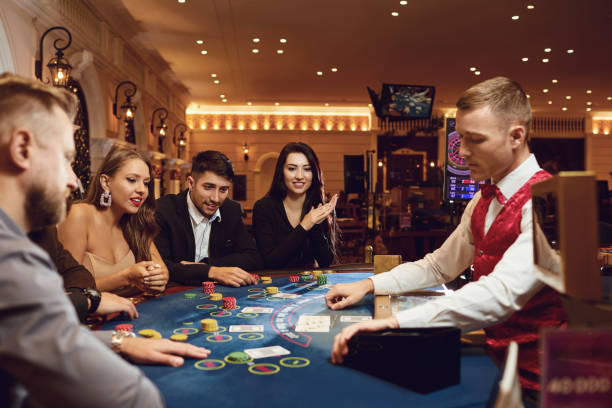
This psychological mechanism is amplified in casino environments. The flashing lights, the sounds of machines, and the social atmosphere all contribute to a heightened state of arousal. This sensory overload can distract from the actual probabilities involved, making the thrill of potential gain overshadow rational decision-making. The inherent randomness is expertly woven into the fabric of the casino, making each spin or hand a unique psychological gamble.
Exploiting Cognitive Biases in Casino Play
Casinos often leverage well-documented cognitive biases to their advantage. The “near miss” phenomenon, where a player almost wins, is a prime example. Psychologically, a near miss is interpreted as a sign that a win is imminent, encouraging continued play despite the actual odds. This fallacy of the gambler, the belief that past independent events influence future outcomes, is also a powerful driver, leading players to believe a losing streak will soon be followed by a winning one.
Another significant bias is confirmation bias, where players focus on wins and downplay losses, reinforcing their belief in their strategy or luck. The illusion of control, where players feel they can influence the outcome of games of pure chance, also plays a crucial role. This can manifest in rituals or superstitions that, while psychologically comforting, have no actual impact on the game’s randomness. These biases are actively, though subtly, encouraged by the casino design and game mechanics.
The Social Dynamics and Escape Mechanisms
Beyond the individual psychological triggers, the social environment of a casino plays a significant role. For many, casinos offer a social outlet, a place to interact with others who share similar interests. This social aspect can be a powerful draw, making the experience more engaging and less about solitary gambling. The shared excitement of wins and commiseration over losses can foster a sense of community.
Furthermore, for some individuals, casinos provide an escape from daily stressors. The immersive nature of the games, combined with the potential for excitement and distraction, can offer a temporary reprieve from real-world problems. This escapism, while potentially enjoyable in moderation, can also contribute to problematic gambling if it becomes the primary coping mechanism. The casino, in this sense, becomes a psychological sanctuary for some.
Building Engagement Through Variable Reward Schedules
The core of the casino’s psychological strategy lies in its use of variable reward schedules. Unlike predictable rewards, where the same effort yields the same outcome, casinos offer rewards that are unpredictable in their frequency and magnitude. This intermittent reinforcement is incredibly powerful at maintaining behavior. The brain becomes highly attuned to the possibility of a reward, even if it’s rare, and this anticipation keeps players engaged and hopeful.
This unpredictability is precisely what makes casino games so compelling. When you know exactly when you’ll get a reward, the motivation to seek it can wane. However, with a variable schedule, the “jackpot” could be the very next bet, or it could be much further down the line. This constant possibility, coupled with the dopamine hit from any win, however small, creates a highly addictive loop that is deeply rooted in behavioral psychology.
Magius UK: Navigating the Psychological Landscape
Understanding the psychological forces at play within the casino environment is crucial for responsible engagement. Organizations like Magius UK play a vital role in educating individuals about these mechanisms and offering support to those who may be experiencing difficulties. By shedding light on the cognitive biases and reward systems that drive casino behavior, Magius UK helps individuals make more informed choices and develop healthier relationships with gambling.
Their work emphasizes the importance of awareness, providing resources and guidance to help people recognize the psychological allure of casinos and understand the potential pitfalls. By promoting a mindful approach to gambling, Magius UK empowers individuals to protect themselves and seek help when needed, ensuring that the thrill of the casino does not lead to detrimental consequences. This focus on psychological well-being is central to their mission of fostering a safer environment.